APA logo

Answers to common questions

What are the main animal welfare problems with exotic ​pets?

The trade and keeping of wild animals as pets involve inevitable suffering. Animals are either cruelly captured from the wild or bred intensively in poor conditions¹. Whether wild-caught or captive-bred, many species do not thrive in captivity².

Often, very little is known about the specific biological and behavioural needs of exotic species and so providing for them in captivity is largely based on guesswork³. Most animals need lots of space and a varied diet and some social species need to live in large groups. Captive exotic animals need carefully controlled temperature, humidity and lighting that mimic the day and night times, as well as the seasonal differences of their natural environment⁴˒⁵. Signs of suffering in exotic pets are often not obvious until it is too late⁶ and many die within one year in the home¹​. Read more >

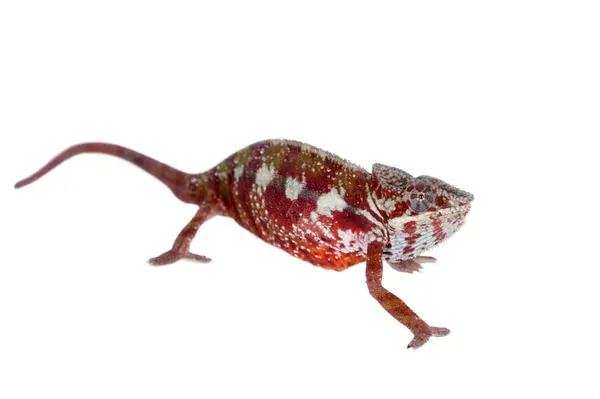
red-lizard

​How can I help to protect wild animals from the pet trade?

There is a lot you can do!

  • You can pledge to never support the exotic pet trade.
  • If you are able to, you can donate to support our work.
  • You can share our social media posts and help spread the word.
  • You can get involved by campaigning or fundraising to make a difference.
  1. Toland, E., Bando, M., Hamers, M., Cadenas, V., Laidlaw, R., Martínez-Silvestre, A., van der Wielen, P. (2020) Turning negatives into positives for pet trading and keeping: a review of positive lists. Animals, 10, 2371.
  2. Burghardt, G.M. (2013) Environmental enrichment and cognitive complexity in reptiles and amphibians: Concepts, review and implications for captive populations. Applied Animal Behaviour Science, 147(3-4), 286-298.
  3. Warwick, C. (2014) The morality of the reptile “pet” trade. Journal of Animal Ethics4(1): 74-94.
  4. Grant, R.A., Montrose, V.T., Wills, A.P. (2017) ExNOTic: Should we be keeping exotic pets? Animals, 7,47.
  5. Warwick, C., Frye, F.L., Murphy, J.B. (1995) Health and welfare of captive reptiles. Chapman & Hall, London p.10.
  6. Shuppli, C.A., Fraser, D., Bacon, H. (2014) Welfare of non-traditional pets. Rev. Sci. Tech. 33, 221-231.

Subscribe to the APA Newsletter

Stay informed with the latest updates on our campaigns, investigations, and ways you can help protect wild animals. We’ll only send important news — no spam, ever.