Ending the cruelty of pet markets - for good
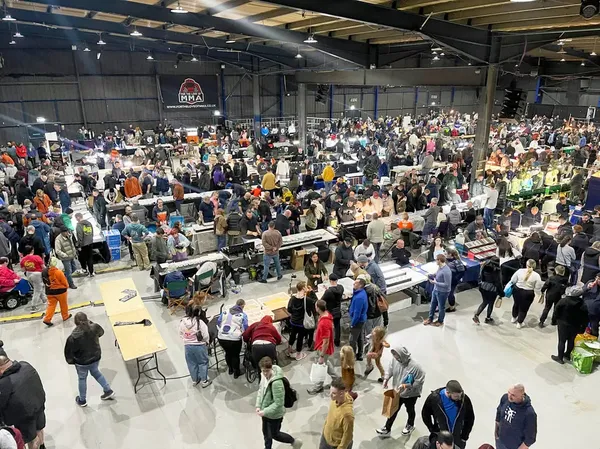
Imagine a pop-up market. Usually, they are vibrant spaces for street food, vintage fashion, or local crafts. But across England, a darker version exists: temporary, one-day events dealing in wild animals.
In these bustling, high-stress environments, thousands of exotic animals - including lizards, tortoises, snakes and frogs, are sold as though they are mere merchandise.
Confined in cramped conditions
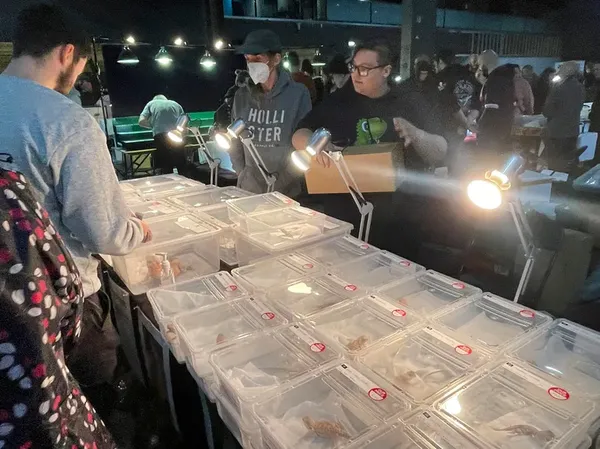
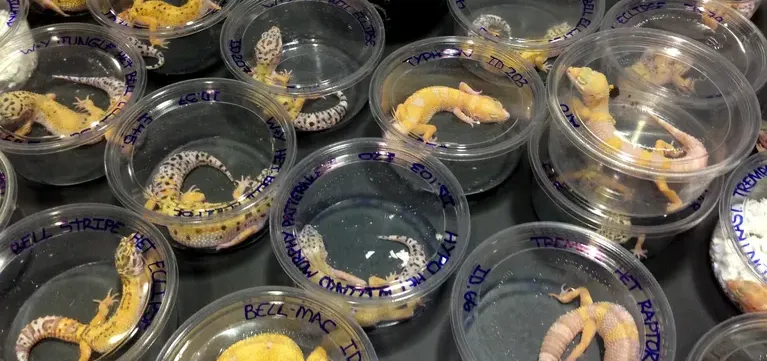
Sensitive wild animals are confined in plastic tubs so small they can barely turn around or stretch out. In the wild, being exposed means being vulnerable to
predators. Here, trapped in transparent containers, these animals have no way to hide from the constant glare of artificial lights and the towering presence of crowds.
Basic biological needs ignored
Unlike mammals, reptiles and amphibians cannot regulate their own body temperature. To digest food, move and maintain an immune system, they need a precise micro-climate of specific temperature gradients, light and humidity. Yet here, on trestle tables in temporary venues, these basic biological requirements for life are impossible to replicate.
Impulse buys, lifetime consequences
The ‘here today, gone tomorrow’ nature of these events, combined with discount prices, encourages people to purchase animals on a whim without fully understanding the consequences. A five-minute transaction in a temporary market can lead to a lifetime of suffering for an animal that never belonged in captivity in the first place.
Hit and run advice
To ensure quick sales that will clear their ‘stock’ before the day ends, market sellers frequently provide minimal or dangerously inaccurate care advice to make animals seem easier to keep than they really are. By the time the buyer discovers the true cost and difficulty of keeping the animal, the market has long packed up and gone, leaving the animal to pay the price through neglect and ill health.